The goal of quality assurance is to guarantee that the software works well. The “well” part implies that an application runs smoothly and all its features work as supposed. This latter aspect is an area of responsibility for functional testing. It can come in the form of manual software testing services or be handled via advanced automation testing services.
In 2026, functional testing has evolved to focus heavily on “User Intent Validation.” As software becomes more integrated with AI and voice interfaces, the “expectations vs. reality” check now includes verifying that systems understand complex user requests, not just simple button clicks.
Functional testing services are meant to verify the conformity of software requirements stated in documentation with the real characteristics. In other words, this is an “expectations vs reality” check. And if those two don’t match, a development team receives code back for further improvements.
There are two approaches that allow a QA company to determine if an app meets customer expectations. One of them implies testing based on requirements. We read functional specifications and use them as premises for writing tests. The other one is testing based on business scenarios. In this case, we learn how a system should behave and check its features from the perspective of business processes. This is often where outsourced QA provides the most value, bringing an objective view to the product’s logic.
Originally Published: Jul 27, 2021 | Last Updated: March 21, 2026
So what is the role of functional testing in software testing? Just like any other type of QA inspection, it allows releasing software without critical bugs. It helps find answers three essential questions:
By running functional tests, a dedicated QA team can verify that all features behave properly. A list of issues can include missing functionality, UI errors, incorrect error conditions, etc. Here is a couple of peculiar things about functional testing:
Outsourced software testing helps businesses identify these gaps early, preventing costly post-release fixes. Modern functional testing in 2026 also emphasizes “interoperability testing.” With the explosion of the Internet of Things (IoT) and cross-platform ecosystems, functional checks must ensure that a feature working on a smartphone also functions perfectly when triggered by a wearable device or a smart home hub.
Test automation services help reduce testing time and effort, but only if you find the right cases to automate and tools to use. Automating functional testing may be a complicated task, taking into account a large number of user scenarios.
One hundred percent functional automation is not achievable. For instance, automating regression testing and UI checks is common, while initial exploratory and acceptance testing often remain manual. Manual software testing is a better solution when you have to mimic real-user behavior closely or evaluate “human” elements like accessibility and tone.
For most long-term projects, software testing outsourcing providers recommend a hybrid approach. This ensures that stable features are checked by bots while new, complex features receive human attention.
To test software features, a QA engineer feeds an input to a system and examines the output. The result of this operation is more important than the way the processing occurs. A functional testing checklist always depends on project type and niche. It shouldn’t be a surprise: a mobile game app and a cloud solution for healthcare don’t have many features in common. Among the other things, a QA team usually pays attention to the following:
In 2026, mobile QA has become the primary focus for functional checklists. With the dominance of foldable screens and varying 5G/6G network conditions, mobile app testing must verify that functionality remains consistent even when a device changes its physical form factor or network speed.
Unlike features, step-by-step directions for functional test planning will be very much the same for diverse types of applications. A typical workflow looks like this:
Start writing test cases early. This process can begin at the requirements analysis stage when all details regarding features are evident. The more time passes, the more likely you will need to find a person who can refresh the initial idea behind every functionality, especially in large-scale projects.
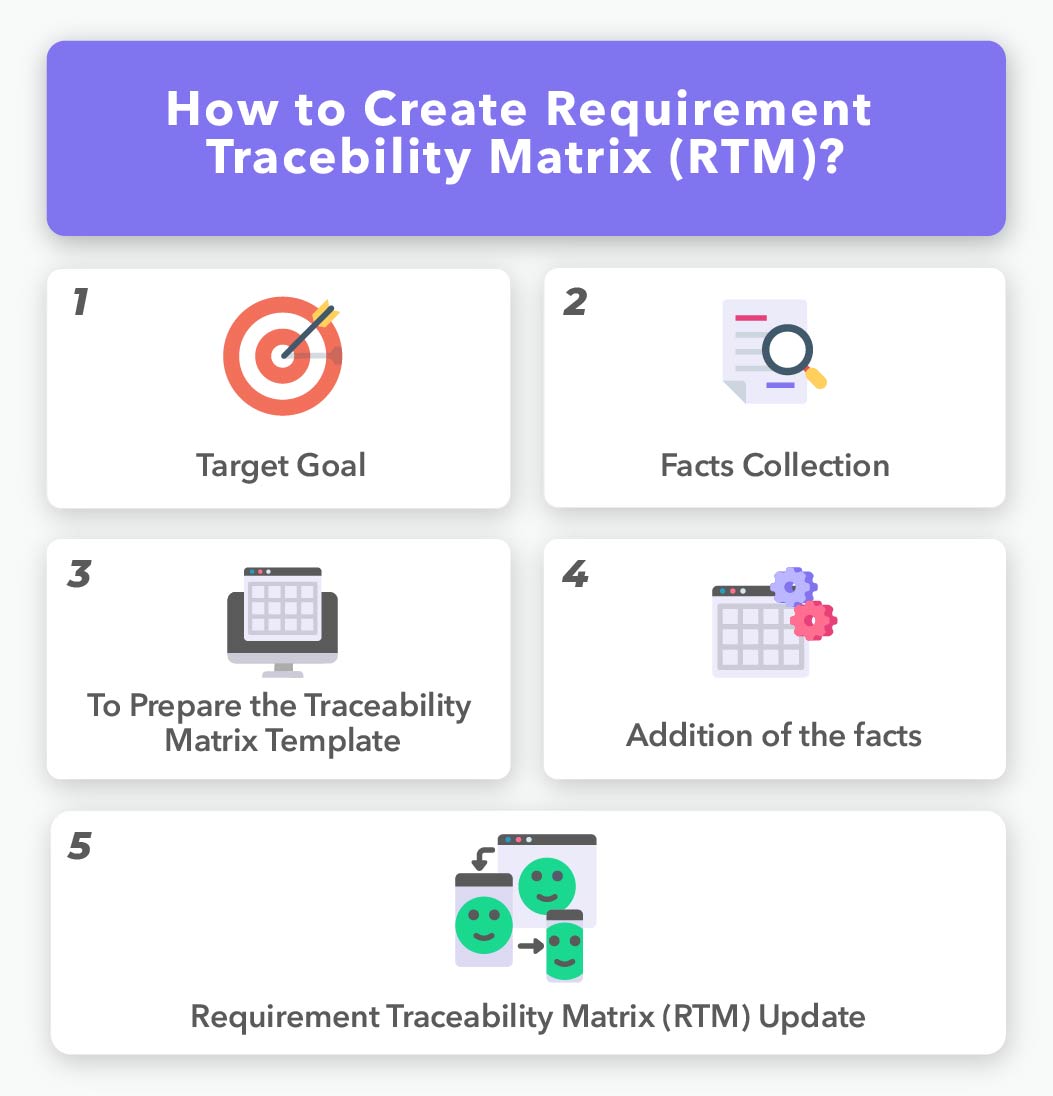
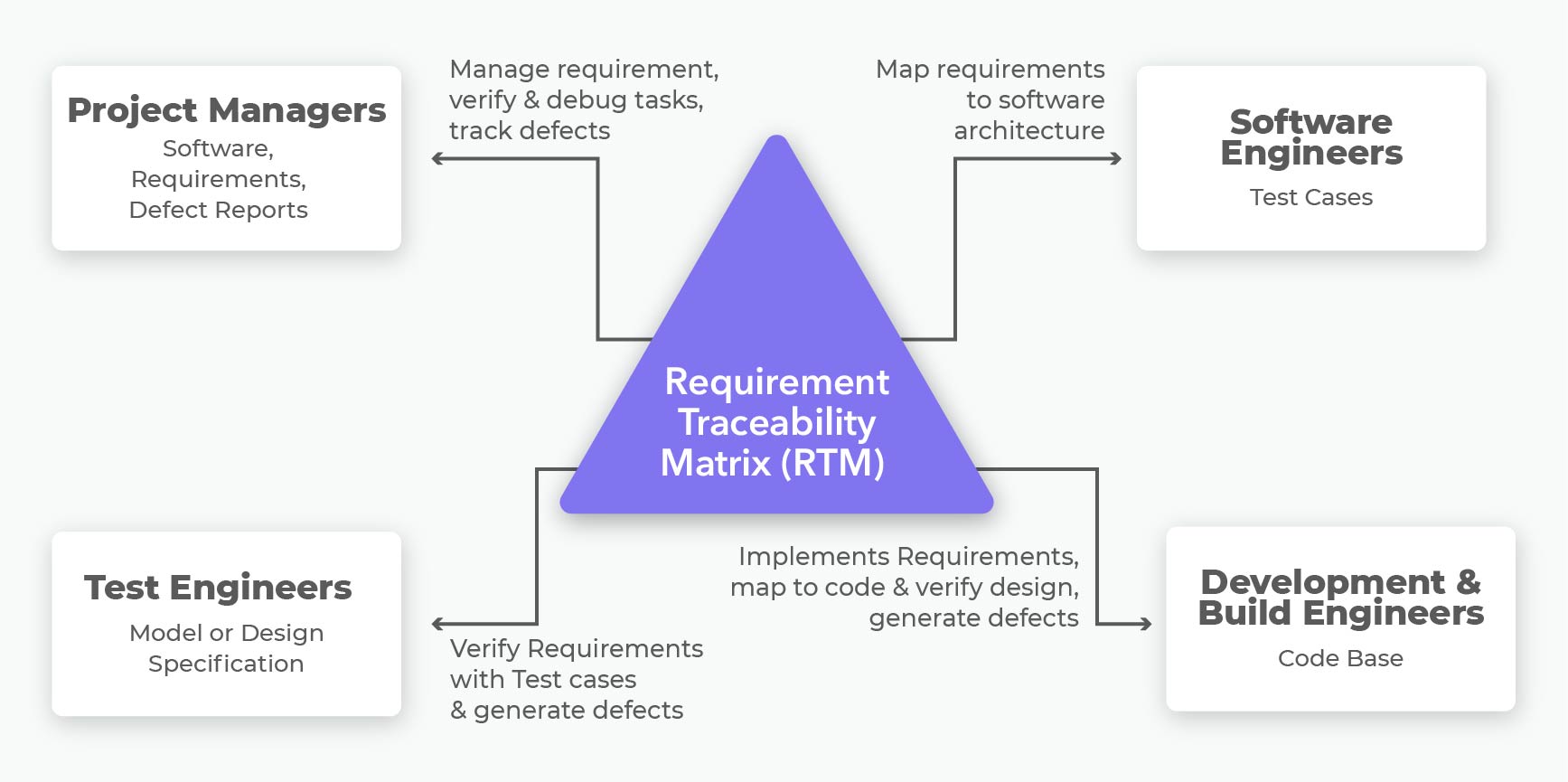
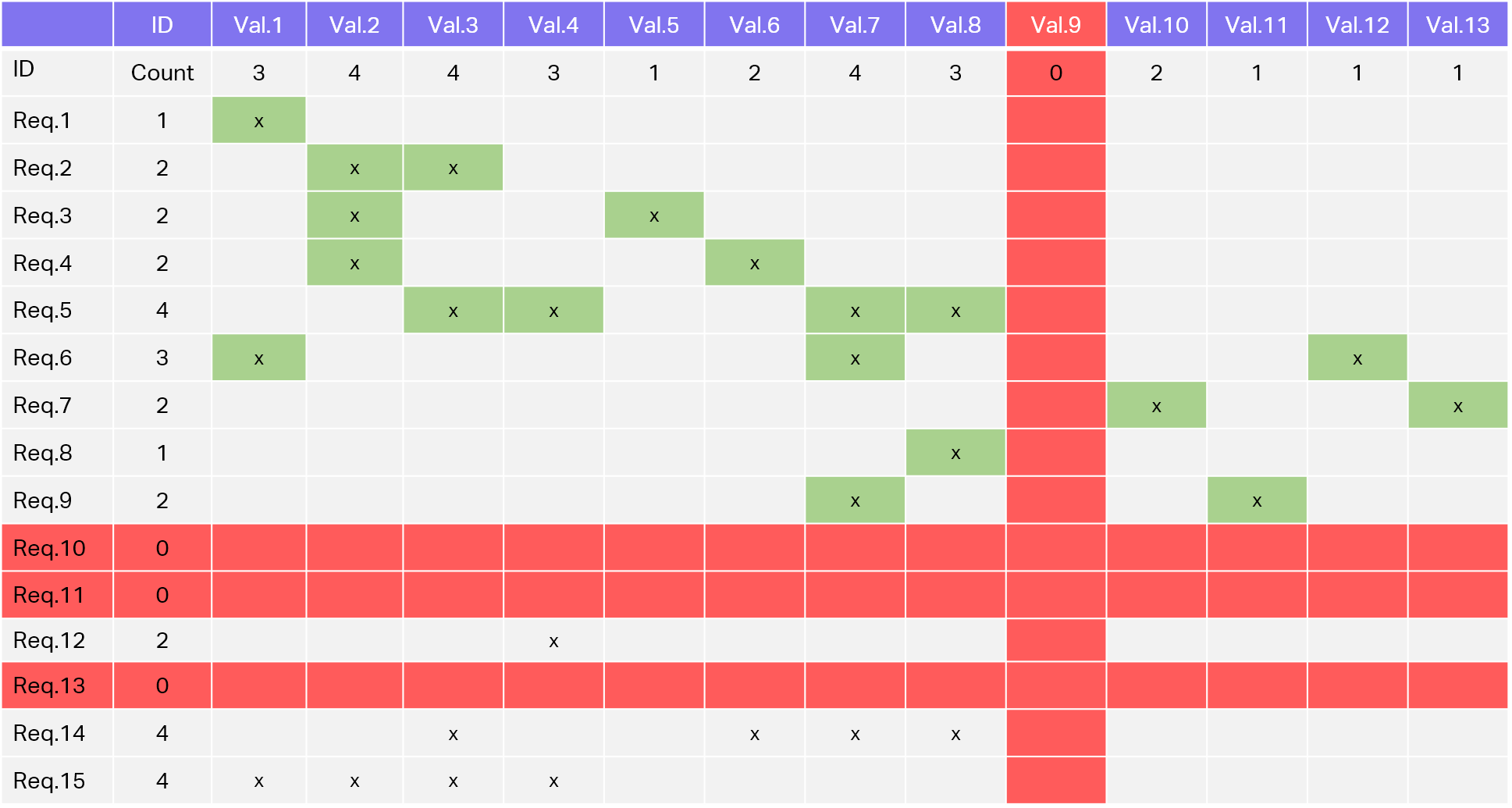
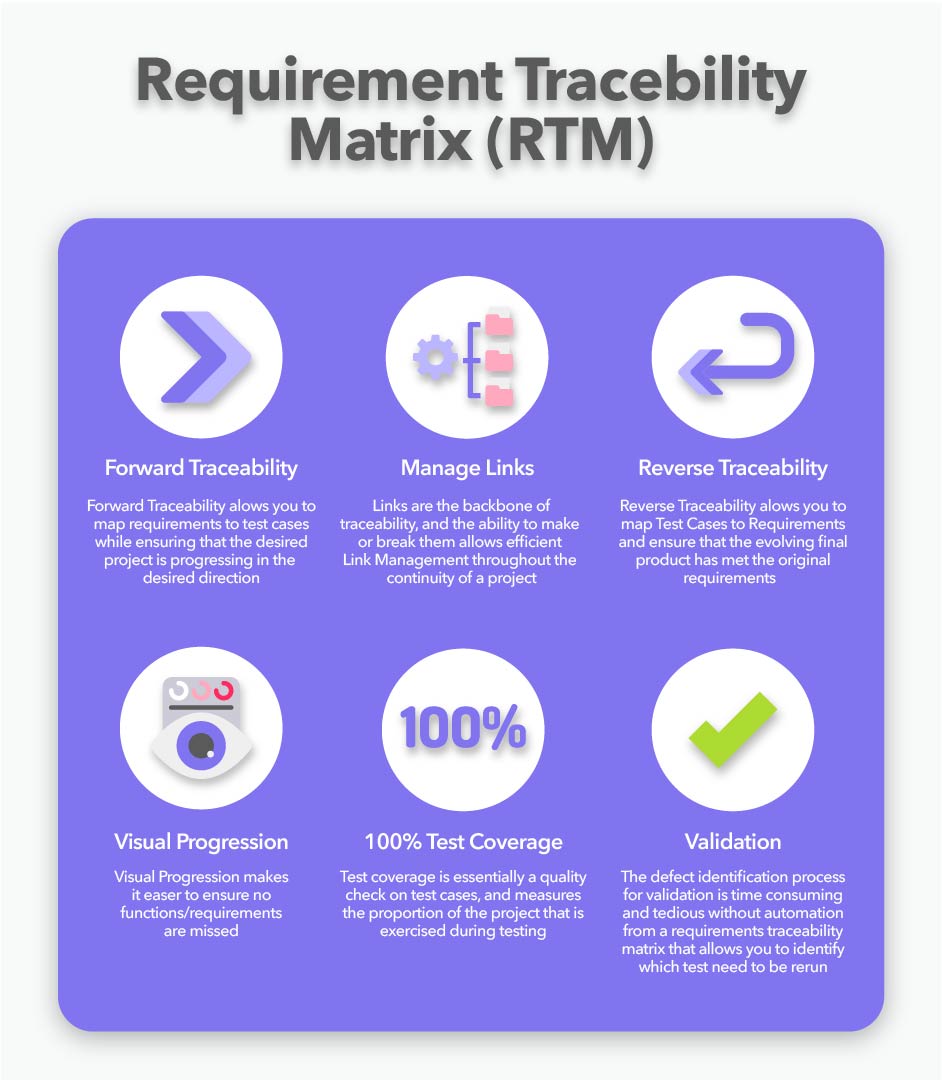
Consider using a traceability matrix. QA teams are not always involved in the earliest stages. To make sure no feature is overlooked, you can create an RTM – Requirement Traceability Matrix, a document that enhances functional testing services. According to the IEEE Standards Association, traceability is a fundamental pillar of high-quality software engineering. Clients, developers, and QA engineers use a shared report to outline requirements and map test cases. You get a comprehensive textbook to use whenever you need to refresh your memory.
Prioritize features and test cases. Every app has money-making functionality – a value that makes users install it. It is the most frequently used part that drives the most attention, so it is reasonable to start with testing these core parts first. Supporting features and other perks can wait.
Act like a real user. Try not to become biased. Use an app as you’ve never seen it before. Be a researcher. Mimic user behavior closely to understand how an application satisfies your needs.
By 2026, context-aware testing has become a best practice. QA resources must now test how functions behave in different contexts, such as low-battery modes, varied geographic locations, or while running simultaneously with other high-demand applications.
The choice of a functional testing tool always depends on project requirements and specifications. Here are some of the most popular and commonly used solutions:
Functional testing automation can be implemented using a dozen of other tools, like SoapUI, TestComplete, Ranorex Studio, Watir, etc.
But the 2026 toolset now also includes AI-driven self-healing frameworks. These tools automatically update functional test scripts when the UI changes, significantly reducing the maintenance time required by a software testing company.
All tech products have something in common: functional testing is a must. Whether you decide to QA outsource to a specialized partner or build your own team, ensuring your software does what it is supposed to do is the only way to survive in a competitive market. QA outsourcing allows companies to access high-end QA services without the overhead of in-house management.
The Google DORA Report consistently shows that teams with high-quality testing processes achieve faster deployment cycles and lower failure rates. If you want to release a reliable product, test automation services combined with expert manual oversight is the path forward.
Need to ensure your product works perfectly? Whether it is QA outsourcing or a single audit, we can help.
Functional testing checks what the system does (features, requirements), while non-functional testing checks how it performs (speed, security, usability).
Users expect seamless experiences on the go. Mobile QA ensures that features like “Add to Cart” or “Login” work across thousands of device and OS combinations.
If your team lacks specific QA resources or needs to scale quickly for a big release, outsourced software testing provides instant access to expert knowledge and tools.
No. While automating regression testing is efficient, human intuition is still needed for usability and complex exploratory scenarios.
A specialized software QA services provider brings a structured automation testing process and real-world experience that reduces the risk of project failure.
The knowledge of a programming language can help a QA specialist in different ways. Besides…
Testing is a critical phase of the software development life cycle (SDLC). It is the…
A bug life cycle in software testing is a set of statuses designed to coordinate…
In 2026, software architecture is no longer just multi-layered; it is highly distributed and deeply…
If you check the comments in a review of a mobile app, you often can…
Originally Published: Oct 29, 2021 | Last Updated: March 11, 2026 It is easy…